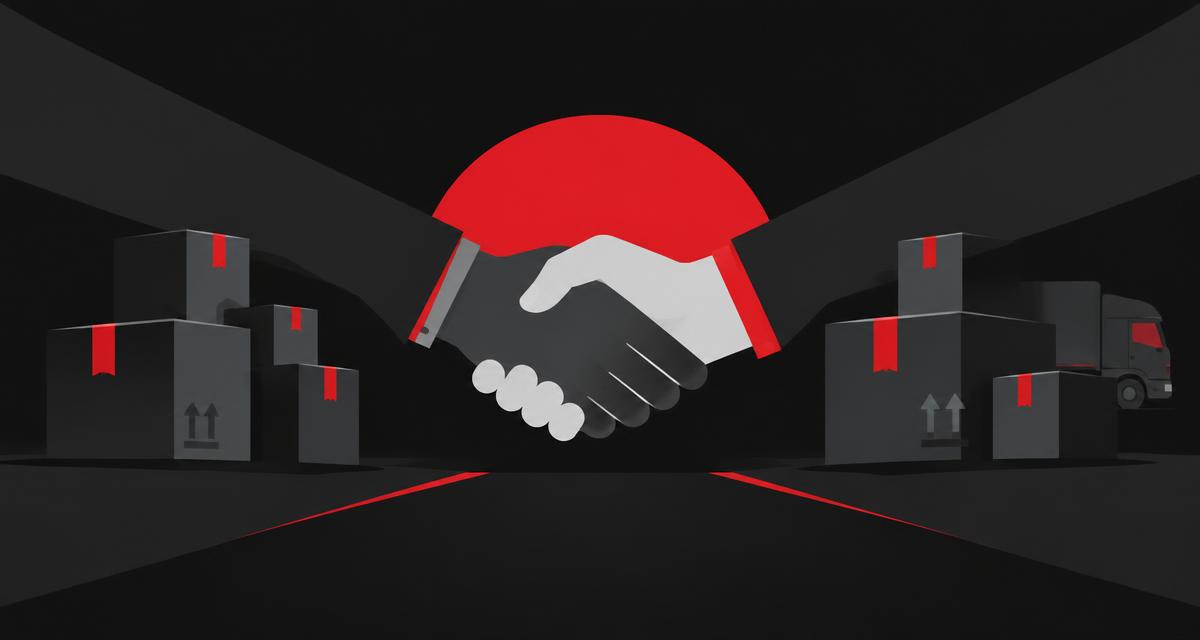

It's easy to treat "finding loads" as purely a dispatch function, but there's a sales dimension to trucking that a lot of small fleets never really build: freight broker relationships, direct shipper relationships, and a deliberate strategy for where your trucks run, rather than just reacting to whatever's on the load board that day.
Fleets that rely entirely on load boards tend to compete purely on rate, which is a hard way to grow margin. Fleets that build real relationships with brokers and shippers get first look at freight, more consistent lanes, and better rates over time — because they're a known, trusted quantity instead of an anonymous truck on a board.
Why Load Board Strategy Alone Has a Ceiling
Load boards are a useful tool, but they put every truck in direct competition with every other available truck on the same lane, which pushes rates toward the lowest acceptable number. A load board strategy that's purely reactive — take whatever's posted, whenever a truck is empty — tends to produce more deadhead miles, more rate volatility, and less predictability than fleets would like.
That's not an argument against load boards. It's an argument for treating them as one tool among several, not the entire strategy.

Building Freight Broker Relationships That Actually Pay Off
A handful of principles separate fleets that get first-call treatment from brokers, versus fleets that are just another name on a list:
- Reliability first. On-time pickups and deliveries, accurate paperwork, and responsive communication matter more to a broker than an aggressive rate ask. Brokers remember carriers who make their job easier.
- Consistency in the lanes you run. A broker who knows you reliably cover a specific lane will call you first for freight on that lane, instead of posting it and waiting.
- Direct communication, not just app-based booking. A real relationship with a broker — a name, a phone number, a working rapport — tends to surface freight before it ever hits a public board.
- Following through on commitments. Turning down a load after accepting it, or being unreachable during transit, damages a relationship faster than almost anything else.
Finding Freight Loads Beyond the Board
Direct shipper relationships take longer to build than a load board account, but they tend to produce more stable, higher-margin freight over time. That usually means proactive outreach — identifying shippers in your lanes and equipment type, and building a relationship before you need the freight, not after a truck is already sitting empty.
A Real Trucking Sales Strategy vs. Reactive Booking
The fleets that grow fastest tend to treat freight acquisition as an actual sales function — tracking which brokers and shippers are most reliable and profitable, following up consistently, and building relationships during slow periods instead of only reaching out when a truck is desperate for a load. That's a fundamentally different posture than reactive, board-only booking, and it shows up directly in rate consistency and truck utilization.
Why This Falls Through the Cracks
Sales isn't usually anyone's full-time job at a small fleet — it's whatever the owner or dispatcher can squeeze in between everything else. That means relationship-building gets deprioritized in favor of whatever's urgent that day, and the fleet stays dependent on load boards longer than it needs to.
How FleetForce Helps
FleetForce's sales support works on building and maintaining broker and shipper relationships that keep your trucks loaded on favorable terms — not just reactively booking whatever's available. It's one of the seven departments FleetForce supports, alongside dispatch, recruiting, safety, maintenance coordination, accounting, and HR.
If your trucks are more dependent on load boards than you'd like, the 7-day free trial is a low-risk way to see what dedicated sales support can add.
One partner. Seven solutions.
Ready to take the next department off your plate?
Try FleetForce free for 7 days and see what dedicated operational support can do for your fleet.