Insurance is one of the largest recurring costs a trucking company carries, and also one of the least understood — most fleet owners know they need it, fewer could explain exactly what each policy actually covers. Getting clear on trucking company insurance requirements matters for compliance, but it matters just as much for making sure a bad week doesn't become a business-ending one.
Primary Liability: The Non-Negotiable Minimum
Primary liability coverage protects against damage or injury the truck causes to others, and FMCSA sets minimum coverage levels that vary based on cargo type — general freight has different minimums than hazardous materials, for example. This is the coverage insurance companies file directly with FMCSA, and it's the one that has to be active before operating authority can go into effect.
Cargo Insurance: Protects the Freight, Not the Truck
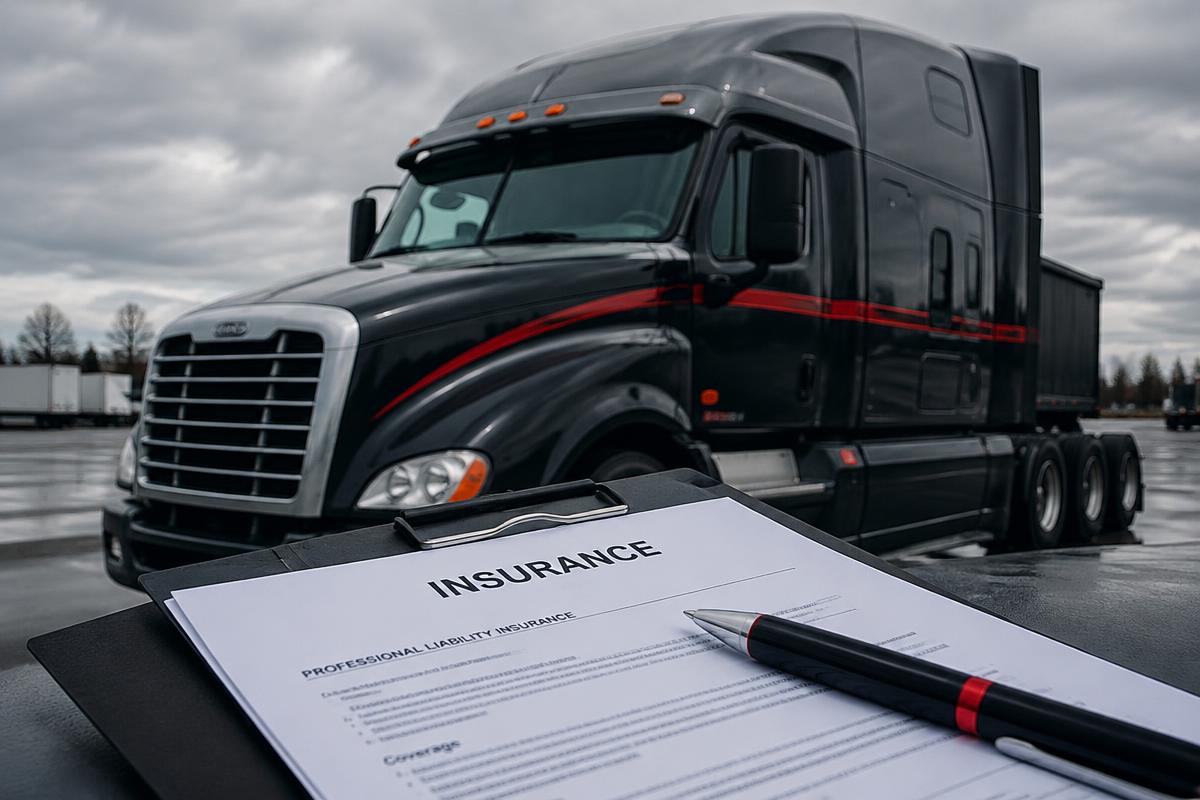
Cargo insurance covers the freight itself if it's lost, damaged, or destroyed in transit. Brokers and shippers typically require proof of cargo coverage before releasing loads, independent of what FMCSA requires — which means a carrier can be fully compliant with federal minimums and still be unable to get loads without adequate cargo coverage.
Physical Damage Coverage: Optional Federally, Often Not Optional Financially
Physical damage coverage (covering the truck and trailer themselves) isn't federally mandated the way liability coverage is, but for any truck that isn't fully paid off, a lender will almost always require it. Even for owned equipment, the cost of replacing a truck out of pocket after an accident is enough to make this coverage worth carrying in most cases.
Non-Trucking Liability: The Coverage Gap Owner-Operators Miss
For owner-operators leased to a carrier, there's often a gap between "on dispatch, under the carrier's insurance" and "off duty, driving the truck personally" — non-trucking liability (sometimes called deadhead coverage) is what covers that gap. It's a coverage type that's easy to miss entirely if nobody explains the distinction clearly.
What Actually Drives Premiums
Insurance premiums are shaped by factors that compound: driver experience and safety record, the carrier's CSA scores, claims history, freight type, and radius of operation all factor in. This is one more reason strong safety practices aren't just about avoiding violations — they show up directly in what a fleet pays for coverage.
Reviewing Coverage as the Fleet Grows
Insurance needs at 3 trucks look different from insurance needs at 15 — coverage that made sense at a smaller size can leave real gaps once a fleet scales, and a policy that isn't reviewed as the business grows can quietly become inadequate. Fleets that revisit coverage annually, rather than only at renewal reminders, tend to catch gaps before a claim exposes them.
How FleetForce Helps
Insurance sits at the intersection of safety and accounting — a claim affects both what a fleet pays going forward and how the books get handled in the meantime. FleetForce's safety and accounting support work together to help fleets manage the practices that keep premiums reasonable and the documentation that makes claims and audits go smoothly.
For the federal requirements directly from the source, FMCSA's Insurance Filing Requirements page covers what has to be on file before authority is active.
One partner. Seven solutions.
Ready to take the next department off your plate?
Try FleetForce free for 7 days and see what dedicated operational support can do for your fleet.