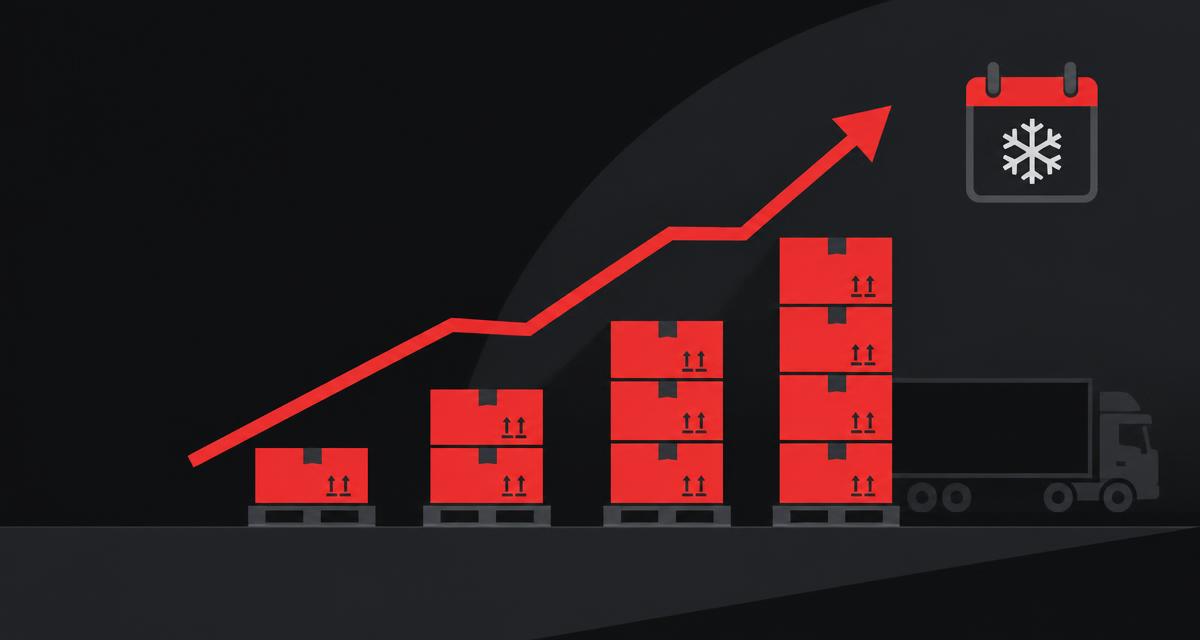
Every year, freight volume climbs heading into the fourth quarter as retailers restock for the holidays — and every year, some fleets capture that demand profitably while others end up scrambling, overcommitted, or leaving easy freight on the table. The difference usually comes down to peak season freight planning that starts well before volume actually picks up, not once it's already underway.
Peak Season Rewards Preparation, Not Reaction
Fleets that treat peak season as something that "just happens" tend to spend the season reacting — taking whatever load is available at whatever rate is offered, because there was no plan going in. Fleets that plan ahead go into the season already knowing which lanes they want, which customers they're prioritizing, and where they have real capacity to add more freight.
Equipment Has to Be Ready Before Volume Hits, Not During
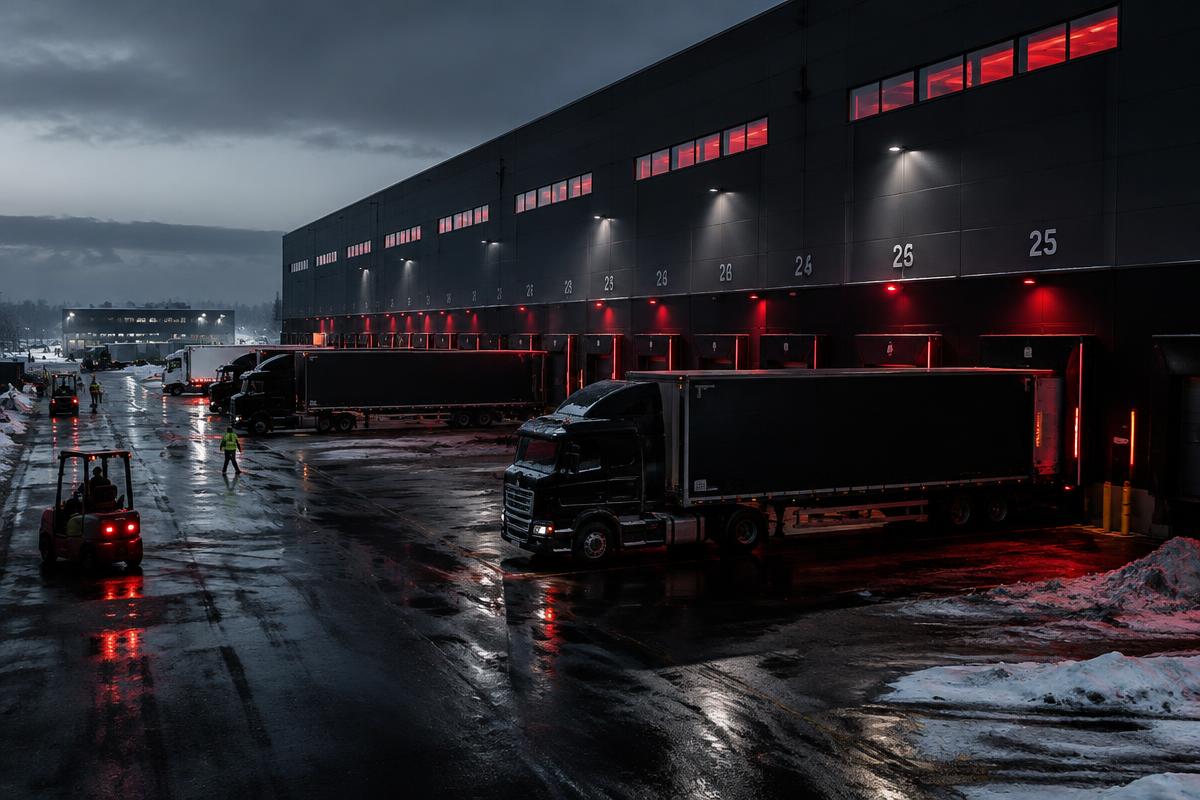
Peak season is the worst possible time for a truck to be down for maintenance that could have been scheduled in the slower weeks beforehand. Fleets that front-load preventive maintenance ahead of their busiest stretch go into peak season with more available trucks than fleets that are still catching up on deferred maintenance when volume spikes.
Driver Scheduling and Home Time Need Extra Attention
Peak season often means more available freight than a fleet has hours to run, which puts real pressure on driver scheduling — and this is exactly the season where home time commitments are most likely to slip if dispatch isn't planning carefully. A driver who has a bad peak season experience (broken home time promises, back-to-back hard runs) is a retention risk heading into the new year, right when that driver is hardest to replace.
Rate Strategy: Know Which Freight Is Actually Worth Taking
Rates typically rise during peak season, but not all of the additional freight on offer is actually worth taking — some of it comes with tighter windows, harder-to-access facilities, or detention risk that eats into the higher rate. Fleets with good cost-per-mile visibility can tell the difference between a genuinely good peak season rate and one that only looks good on the rate confirmation.
Cash Flow Timing Matters More in Q4 Than Fleets Expect
Higher volume means higher fuel and maintenance costs up front, often before the corresponding revenue has actually been collected — a cash flow timing gap that catches fleets off guard even in a strong peak season. Fleets with clean, current books going into Q4 have much better visibility into whether they can actually afford to take on the extra volume peak season offers.
How FleetForce Helps
Peak season success touches dispatch, maintenance, sales, and accounting all at once — exactly the kind of cross-department coordination that's hardest for a single owner to manage alone during the busiest stretch of the year. FleetForce helps fleets prepare equipment, plan driver schedules, prioritize the right freight, and keep cash flow visibility clear heading into the season that matters most.
One partner. Seven solutions.
Ready to take the next department off your plate?
Try FleetForce free for 7 days and see what dedicated operational support can do for your fleet.