Every fleet owner knows the feeling: a truck goes down mid-route, and suddenly a repair that might have taken an hour at a shop of your choosing turns into a multi-day ordeal — a tow, an unfamiliar shop charging whatever they want, a driver stuck waiting, and a load that's now late or reassigned. That's the real cost of reactive maintenance, and it's almost always higher than the cost of catching the same problem early.
Fleet preventive maintenance isn't a new idea, but it's one of the first things that slips when a small fleet gets busy. Here's why it's worth protecting, and what a program that actually works looks like.
Why Reactive Repairs Cost More Than They Look Like They Do
The repair bill itself is only part of it. A breakdown on the road usually means:
- Emergency roadside repair rates, which run well above scheduled shop rates
- Towing costs, if the truck can't be driven to a shop
- A load that's delayed, rejected, or reassigned — sometimes at a financial penalty
- A driver sitting idle, unpaid miles, and a disrupted schedule that ripples into the next load
- Diagnosing an unfamiliar truck at an unfamiliar shop, which often means paying to find a problem that a regular mechanic would have already known about
None of that shows up as a single line item, which is part of why it's easy to underestimate. A maintenance schedule that costs a predictable amount every month often looks more expensive on paper than reactive repairs do — right up until a breakdown happens.
What a Real Preventive Maintenance Program Includes
A trucking maintenance schedule that actually prevents breakdowns generally covers:
- Regular oil and fluid service on a mileage or time-based schedule, whichever comes first
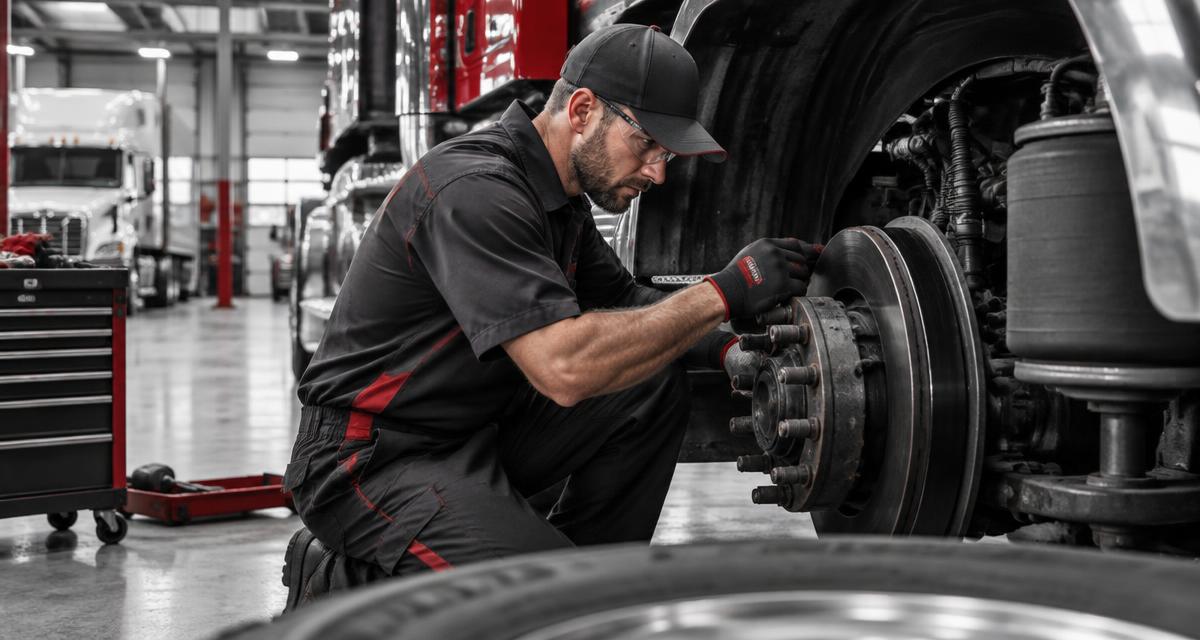
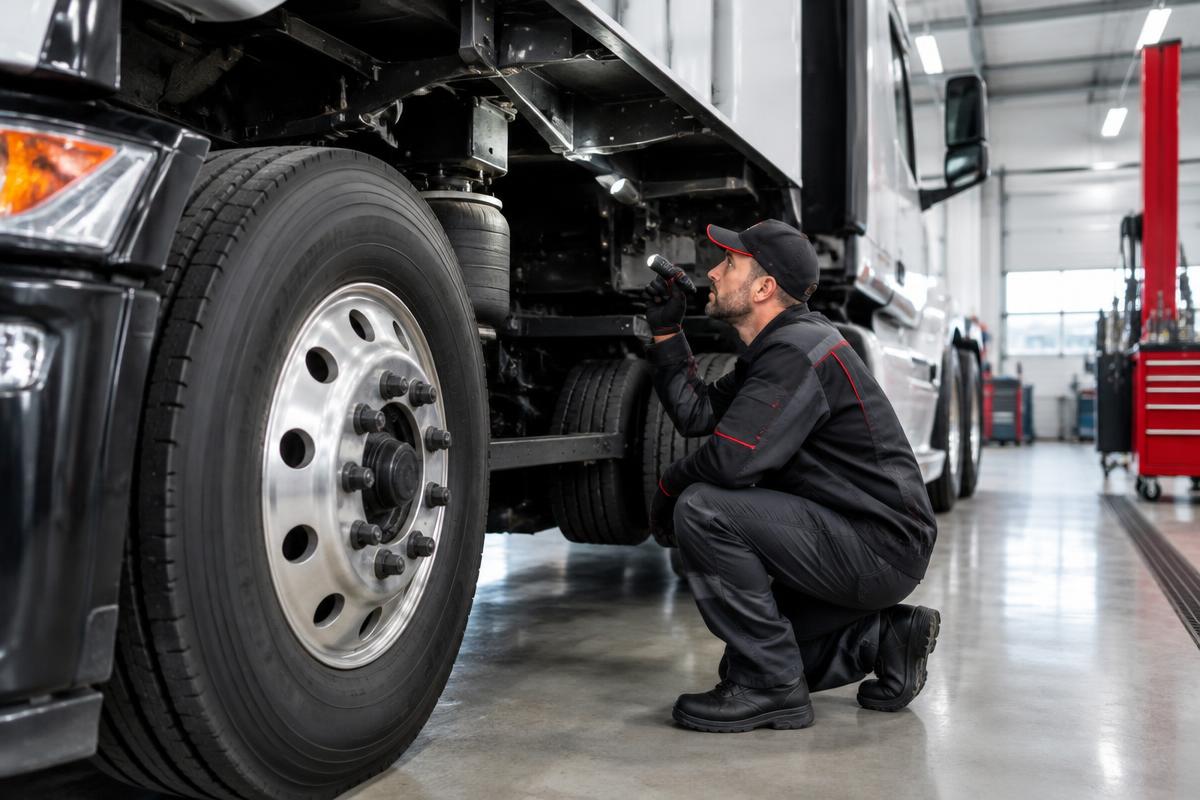
- Brake inspections, since brake violations are one of the most common roadside citations
- Tire condition and pressure checks — a blowout is one of the most disruptive and preventable failure points
- DOT-required annual inspections, kept current and documented
- Driver vehicle inspection reports (DVIRs) actually reviewed and acted on, not just filed
- Tracking by truck, not just by fleet, since different trucks wear differently based on routes and loads
The DIY Maintenance Trap
A lot of small fleet owners handle maintenance the same way they handle dispatch early on — personally, reactively, whenever there's a spare hour. That works until the fleet grows past a truck or two, at which point tracking service intervals, DVIRs, and inspection dates across multiple trucks by memory (or a stack of paper) starts to fail quietly. Nobody notices a missed service interval until it turns into a breakdown.
Building or Outsourcing a Maintenance Program
Some fleets build an in-house maintenance department — which makes sense at real scale, but comes with the overhead of a shop, technicians, and equipment that's hard to justify for a smaller fleet. The alternative is a coordinated maintenance program that tracks every truck's service schedule and manages relationships with trusted shops, without the fleet needing to build and staff its own shop from scratch.
The goal either way is the same: catch the worn brake pad, the aging tire, the fluid that's overdue, before it turns into a truck sitting on the shoulder.
How FleetForce Helps
FleetForce's maintenance coordination keeps every truck's service schedule on track — inspections, DVIRs, and preventive service — so problems get caught in a scheduled shop visit instead of on the side of the highway. It's one of the seven departments FleetForce supports, alongside dispatch, recruiting, safety, accounting, HR, and sales.
If unplanned downtime has been quietly costing your fleet more than a maintenance schedule would, the 7-day free trial is a low-risk way to see the difference.
One partner. Seven solutions.
Ready to take the next department off your plate?
Try FleetForce free for 7 days and see what dedicated operational support can do for your fleet.