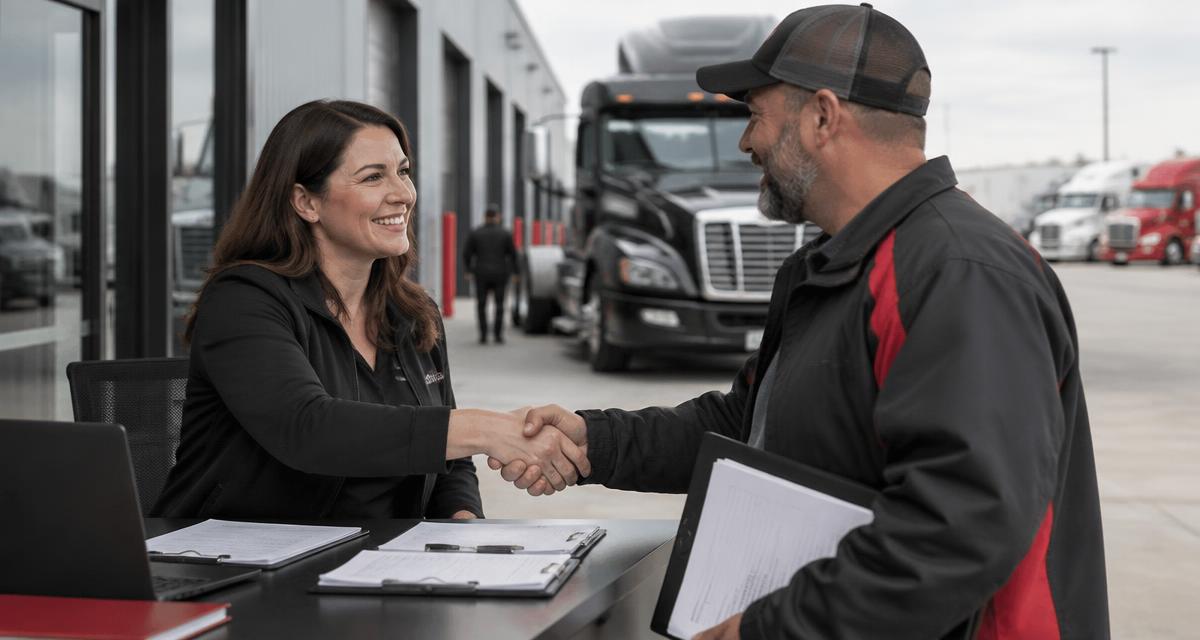
Recruiting gets most of the attention when fleets talk about staffing, but trucking company HR is what determines whether a new driver you worked hard to recruit actually sticks around. A driver's first week sets the tone — if onboarding is disorganized, paperwork is missing, or nobody's following up, it signals something about how the whole company is run, and drivers notice.
HR in a trucking company covers more ground than people usually expect: onboarding, payroll, benefits if offered, driver files, and the compliance paperwork that overlaps with DOT requirements. Here's what a real foundation looks like.
What a Strong Driver Onboarding Process Includes
A good driver onboarding process isn't just paperwork — it's the first real impression of what working for your company is like. At minimum, it should cover:
- All required documentation collected before the driver's first day, not scrambled together on it
- A clear explanation of pay structure, home time policy, and expectations, in writing
- Equipment orientation, so a driver isn't guessing how something works on day one
- A named point of contact for questions in the first few weeks — someone actually checking in, not just assuming things are fine
- Driver qualification file completion that satisfies DOT requirements from day one, not as a follow-up task
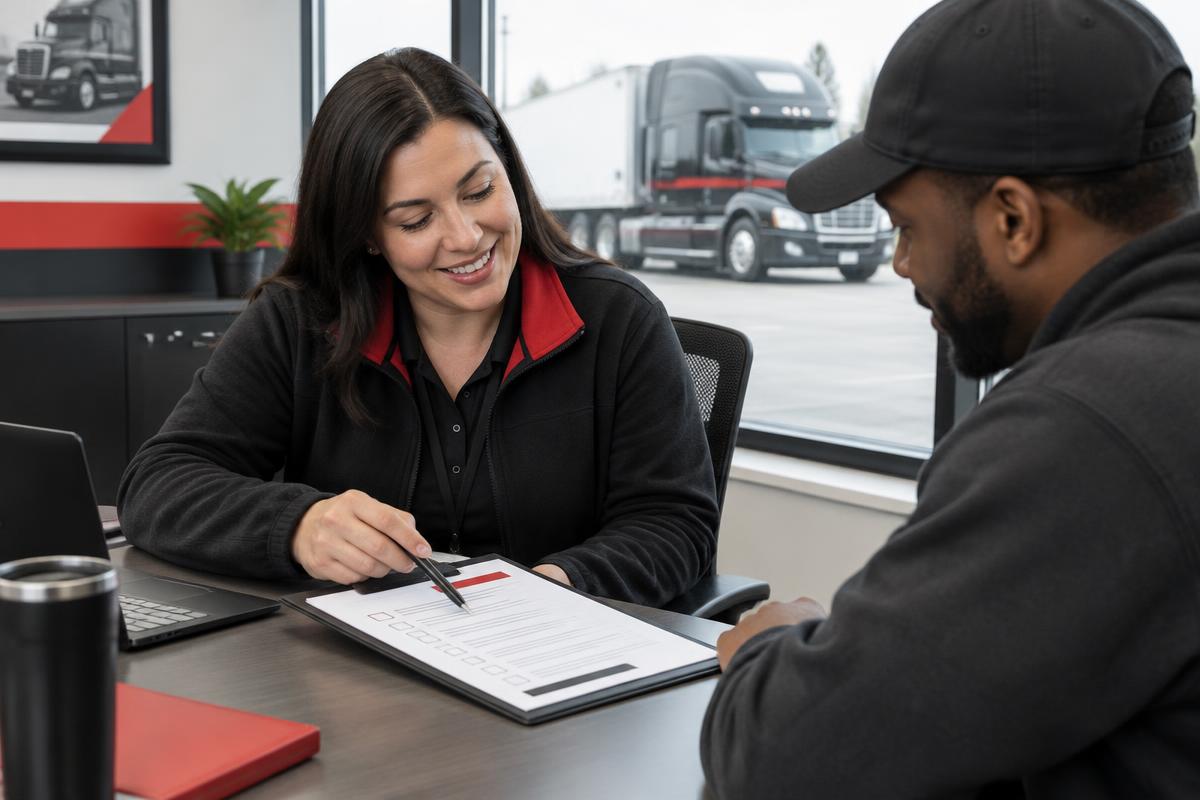
Fleets that treat onboarding as a genuine process, rather than a stack of forms to sign, consistently see new drivers stay longer.
Truck Driver Payroll: Where Small Errors Become Big Trust Problems
Truck driver payroll in trucking is more complex than a standard hourly or salaried job — pay might be structured by mile, by percentage of load revenue, or a hybrid, with deductions, bonuses, and reimbursements layered in. Getting a settlement wrong, even by a small amount, erodes trust fast — and in a market where drivers have options, a driver who doesn't trust their paycheck doesn't stay long. Consistency and accuracy in payroll aren't just administrative details; they're a retention factor.
Driver Files and Ongoing Compliance
HR and DOT compliance overlap heavily in trucking. Driver qualification files, medical certificates, MVR checks, and annual reviews all need to be maintained and current — not just at hire, but continuously throughout employment. This is one of the areas most likely to slip in a small fleet, simply because it requires tracking dozens of expiration dates across every driver, on top of everything else HR touches.
Why HR Gets Deprioritized in Small Fleets
In a lot of small trucking companies, HR isn't anyone's full-time job — it's a responsibility absorbed by whoever's available, often the owner, squeezed in around dispatch and sales. That works for a handful of drivers. Past that point, the paperwork volume and the compliance stakes both increase, and treating HR as an afterthought starts to show up as onboarding mistakes, payroll disputes, and compliance gaps.
How FleetForce Helps
FleetForce's HR support covers driver onboarding, payroll coordination, and the compliance paperwork that keeps driver files current — so new hires get a real first impression and your existing drivers get paid accurately, every time. It's one of the seven departments FleetForce supports, alongside dispatch, recruiting, safety, maintenance coordination, accounting, and sales.
If HR has been the department getting the least attention in your company, the 7-day free trial is a straightforward way to see what dedicated support looks like.
One partner. Seven solutions.
Ready to take the next department off your plate?
Try FleetForce free for 7 days and see what dedicated operational support can do for your fleet.