Electronic logging devices have been required for most commercial drivers for years now, but ELD compliance issues still show up regularly in roadside inspections — usually not because a fleet doesn't have an ELD installed, but because of smaller issues around how it's used, maintained, or documented.
What the Rule Actually Requires
The ELD rule requires most drivers who are required to keep records of duty status to use a registered, FMCSA-compliant device that automatically records driving time by connecting to the vehicle's engine. The device itself has to be on FMCSA's list of registered ELDs — an unregistered or improperly certified device doesn't satisfy the requirement even if it looks and functions like one that does.
Malfunctions Happen — The Response Is What Matters
ELDs are electronic devices, and electronic devices occasionally malfunction. FMCSA's rule accounts for this: drivers are required to keep paper logs as a backup and to notify the motor carrier of a malfunction within a set timeframe, with a defined repair or replacement window afterward. Where fleets get into trouble isn't the malfunction itself — it's not having a clear process for what a driver does when one happens.
Data Transfer Requirements Trip Up Drivers During Inspections
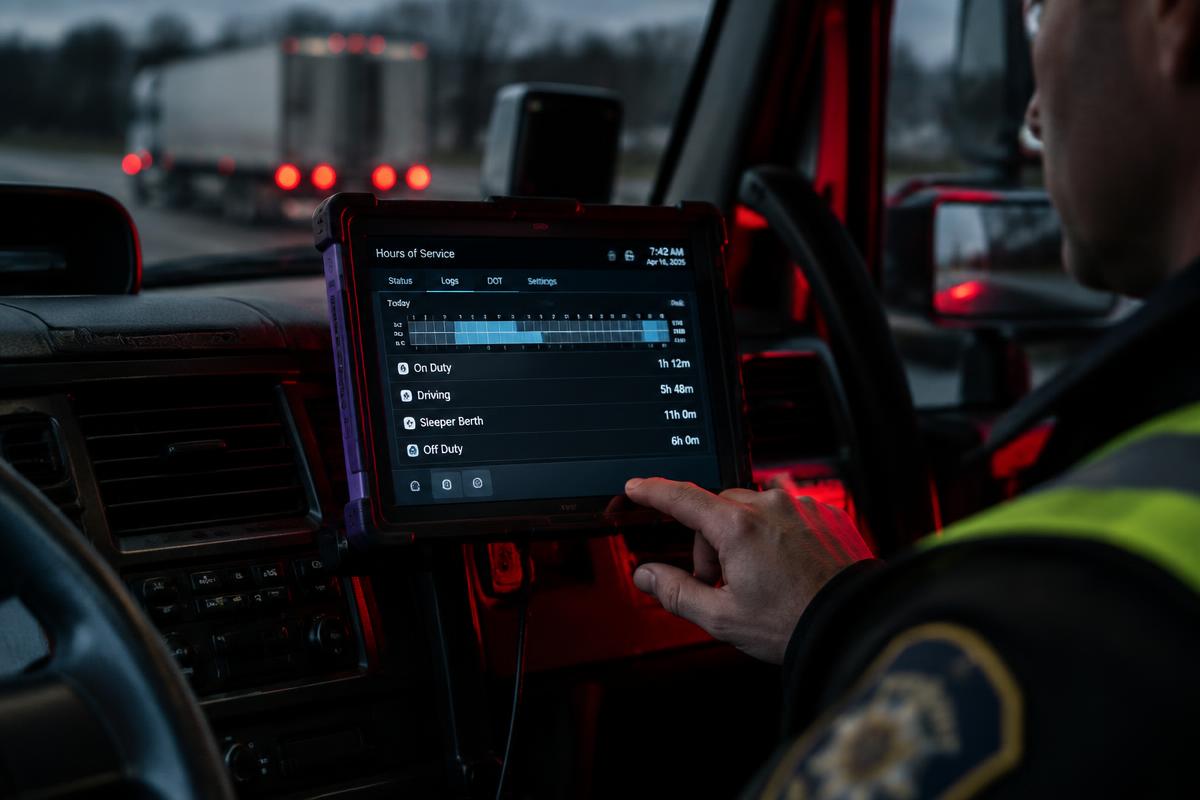
During a roadside inspection, drivers need to be able to transfer ELD data to the inspecting officer, either electronically or via display/printout depending on the device. A driver who doesn't know how to complete this transfer on their specific device can turn a routine inspection into a bigger issue than the underlying compliance actually warrants. This is a training gap more often than an equipment gap.
ELD Data and CSA Scores Are Directly Connected
Hours of service violations captured through ELD data feed directly into a carrier's CSA (Compliance, Safety, Accountability) scores, which affect insurance rates, shipper and broker perception, and audit risk. This is part of why ELD compliance isn't just a box-checking exercise — the data has real downstream consequences for the business.
Unassigned Driving Time Is an Overlooked Cleanup Task
ELDs sometimes log driving time that isn't assigned to a specific driver — a yard move, a test drive, or a login issue. Left unreviewed, unassigned driving time can accumulate and create confusion during an audit. Fleets that review and assign this data regularly avoid a cleanup problem that otherwise piles up quietly in the background.
How FleetForce Helps
FleetForce's safety support includes reviewing ELD data regularly — not just when an inspection or audit is imminent — so malfunctions, unassigned driving time, and emerging HOS patterns get caught and addressed before they turn into violations or CSA score damage.
For the complete regulatory detail, FMCSA's Electronic Logging Devices page covers the rule, registered device list, and compliance resources directly from the source.
One partner. Seven solutions.
Ready to take the next department off your plate?
Try FleetForce free for 7 days and see what dedicated operational support can do for your fleet.