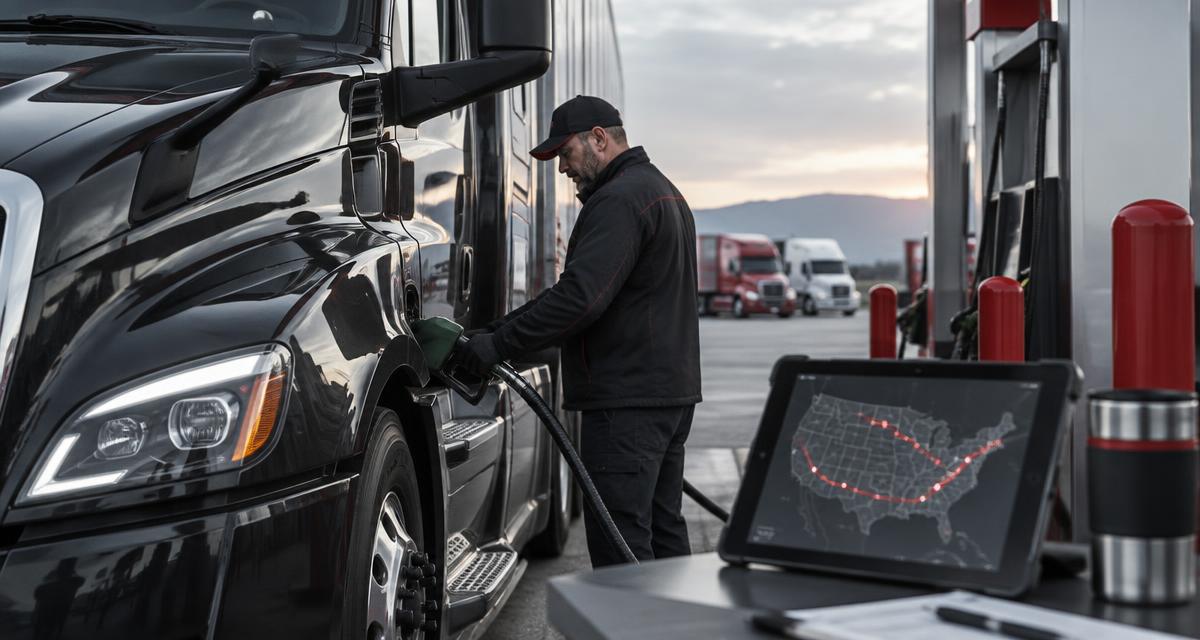
Fuel is typically one of the largest single expenses a trucking company carries, and it's also one of the most volatile — prices move independent of anything the fleet does, which makes fuel cost management feel like something outside your control. It isn't entirely. While no fleet controls the price at the pump, plenty of fleets are quietly losing fuel efficiency to habits and gaps that have nothing to do with market prices at all.
Here's where that fuel actually goes, and what's realistic to fix.
Route Planning Is a Bigger Lever Than It Gets Credit For
Truck route optimization isn't just about the shortest distance between two points — it's about avoiding unnecessary idling in traffic, minimizing deadhead miles between loads, and routing around conditions that burn extra fuel unnecessarily. A dispatcher planning loads with fuel efficiency in mind, not just load sequencing, makes a real difference over the course of a month — this is one more reason dispatch and fuel cost are more connected than fleets often treat them.
Idle Time Adds Up Faster Than It Feels Like It Does
A truck idling to run the cab's climate control or to keep the engine warm burns real fuel without covering a single mile. Idle time is one of the most common places fuel efficiency quietly leaks — not through any single dramatic incident, but through routine habits repeated every day, across every truck in the fleet.
Tire Pressure and Maintenance Are Fuel Issues, Not Just Safety Issues
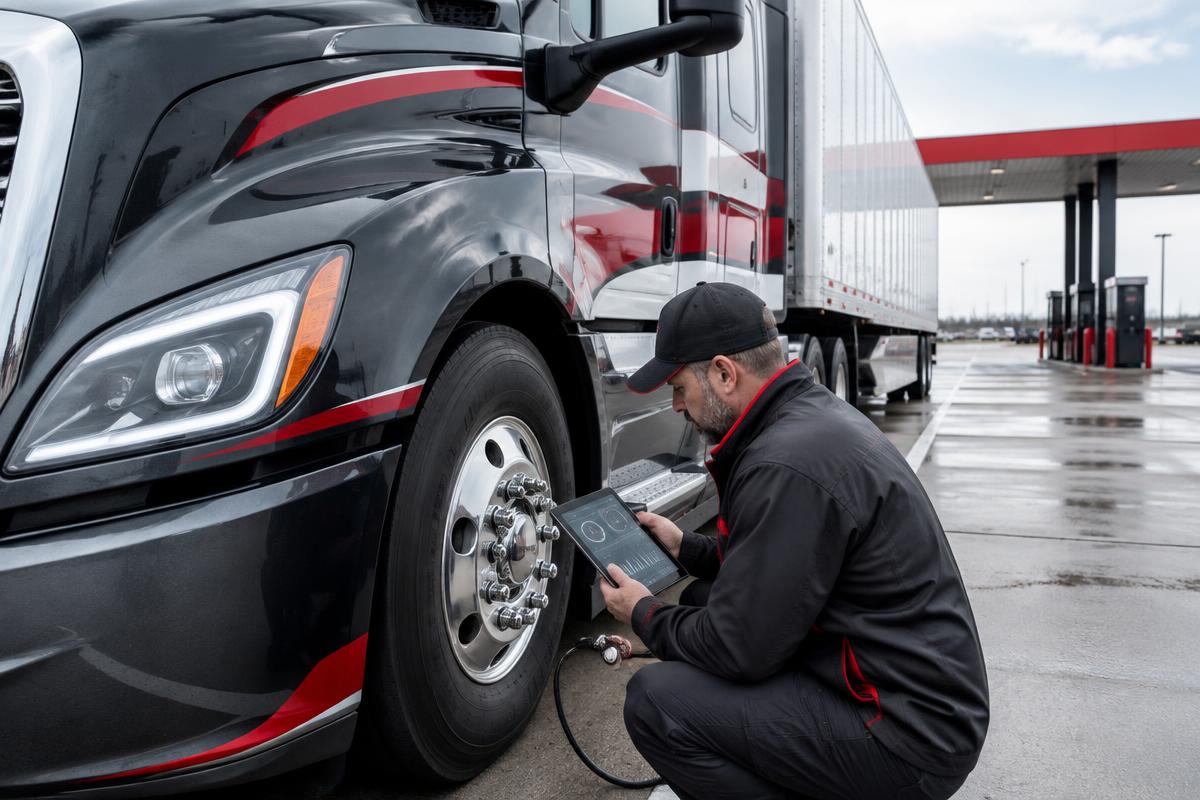
Underinflated tires increase rolling resistance, which means the engine works harder to cover the same miles — a maintenance issue that's also a fuel cost issue. The same goes for overdue oil changes, dirty air filters, and worn components that force an engine to work less efficiently than it should. This is one more reason a real preventive maintenance program pays for itself in more ways than just avoiding breakdowns.
Driver Behavior Matters, But It's a Coaching Issue, Not a Blame Issue
Speed, hard acceleration, and excessive braking all affect fuel consumption meaningfully. The fleets that see real improvement here tend to treat it as coaching and communication rather than punishment — drivers who understand why fuel-efficient habits matter (and who see it reflected in fair pay structures) are more receptive than drivers who feel micromanaged over MPG.
Fuel Card Programs and Purchasing Discipline
Fuel cards that offer discounted pricing at specific networks, combined with routing that actually accounts for where those discounts apply, can meaningfully reduce cost per gallon over time. This only works if someone is actively tracking fuel purchases by truck and by card — without that visibility, it's easy for a fuel card to become just another undifferentiated expense instead of a tool that's actively managed.
Tracking Fuel by Truck, Not Just in Aggregate
A fleet-wide fuel total tells you what you spent. Tracking by truck tells you which specific trucks are underperforming — whether that's a maintenance issue, a route issue, or a driver habit issue — and that's the level of detail that actually lets you fix something instead of just watching the number.
Why This Tends to Fall Through the Cracks
Fuel cost management touches dispatch (routing), maintenance (vehicle condition), and accounting (tracking and reporting) all at once — which means in a lot of small fleets, no single person owns it end to end. It gets treated as an unavoidable cost rather than a managed one, simply because managing it well requires coordination across departments that are already stretched thin.
How FleetForce Helps
Because FleetForce coordinates dispatch, maintenance, and accounting together rather than as disconnected functions, fuel efficiency gets addressed as part of the bigger picture — route planning that accounts for fuel, maintenance that catches efficiency-robbing issues early, and cost tracking that shows exactly where fuel dollars are going by truck.
If fuel has felt like an expense you can only watch rather than manage, the 7-day free trial is a low-risk way to see what coordinated support across departments actually looks like.
One partner. Seven solutions.
Ready to take the next department off your plate?
Try FleetForce free for 7 days and see what dedicated operational support can do for your fleet.